
Buonarroti house
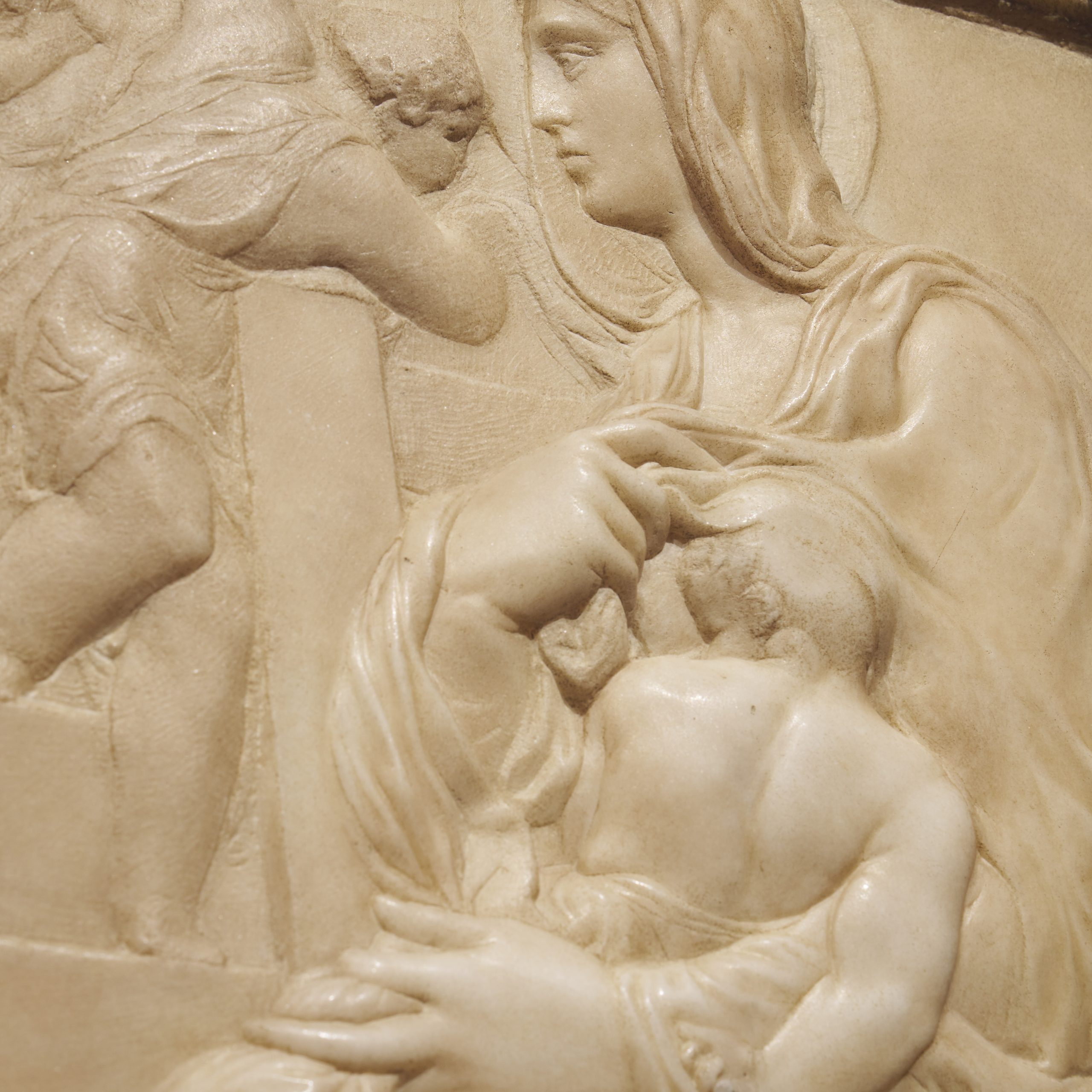
The lighting design project originates from the need to enhance the exhibited works and the architectural and artistic features, with particular attention to the conservation of photosensitive materials. The lighting was carefully designed to faithfully render colors, volumes, and depth, while maintaining controlled levels to prevent any risk of deterioration.
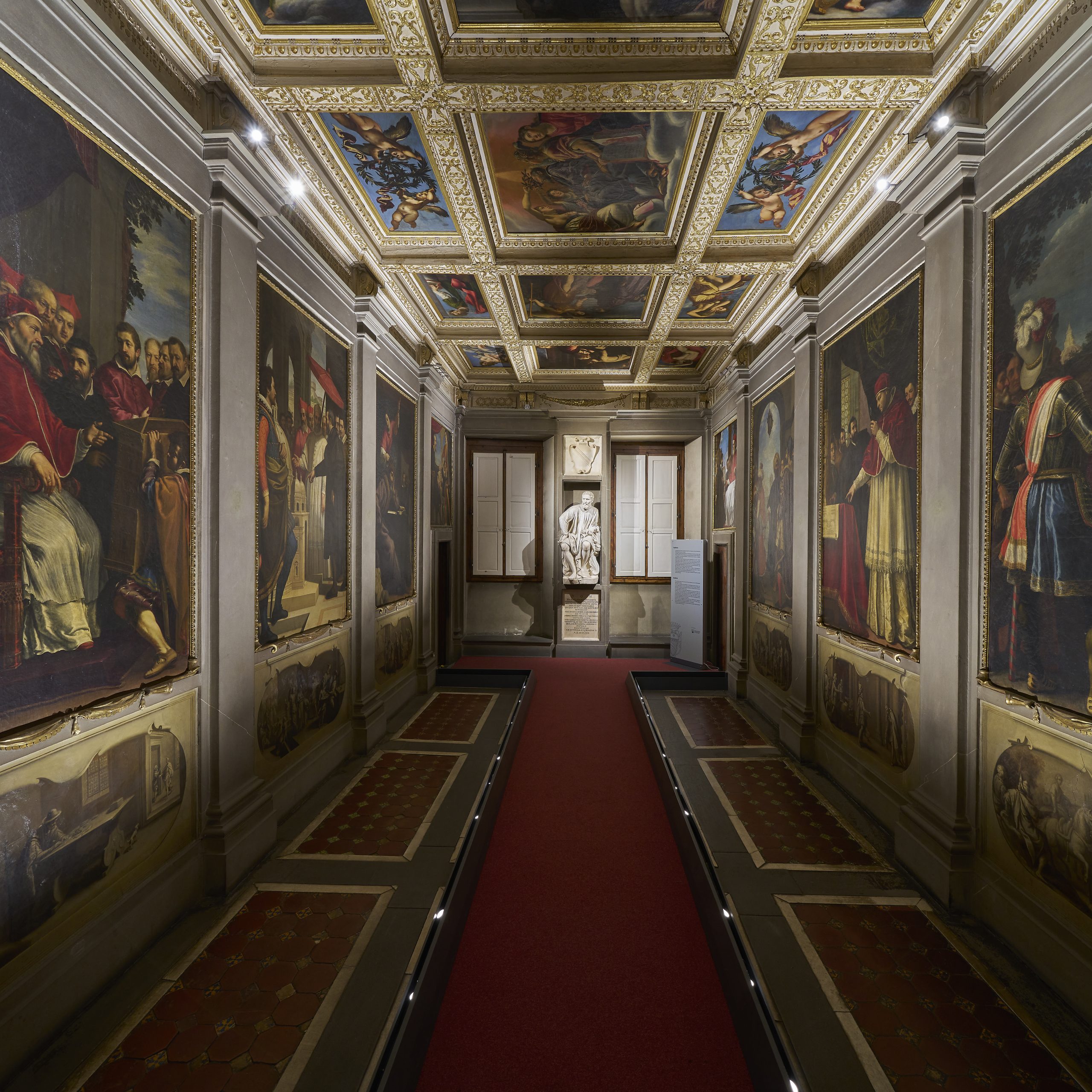
From the earliest stages, the intervention was developed in full respect of the constraints imposed by the context. In many spaces, walls and ceilings are entirely frescoed or decorated, significantly limiting installation possibilities. This required a non-invasive approach, capable of integrating discreetly within the existing architecture.
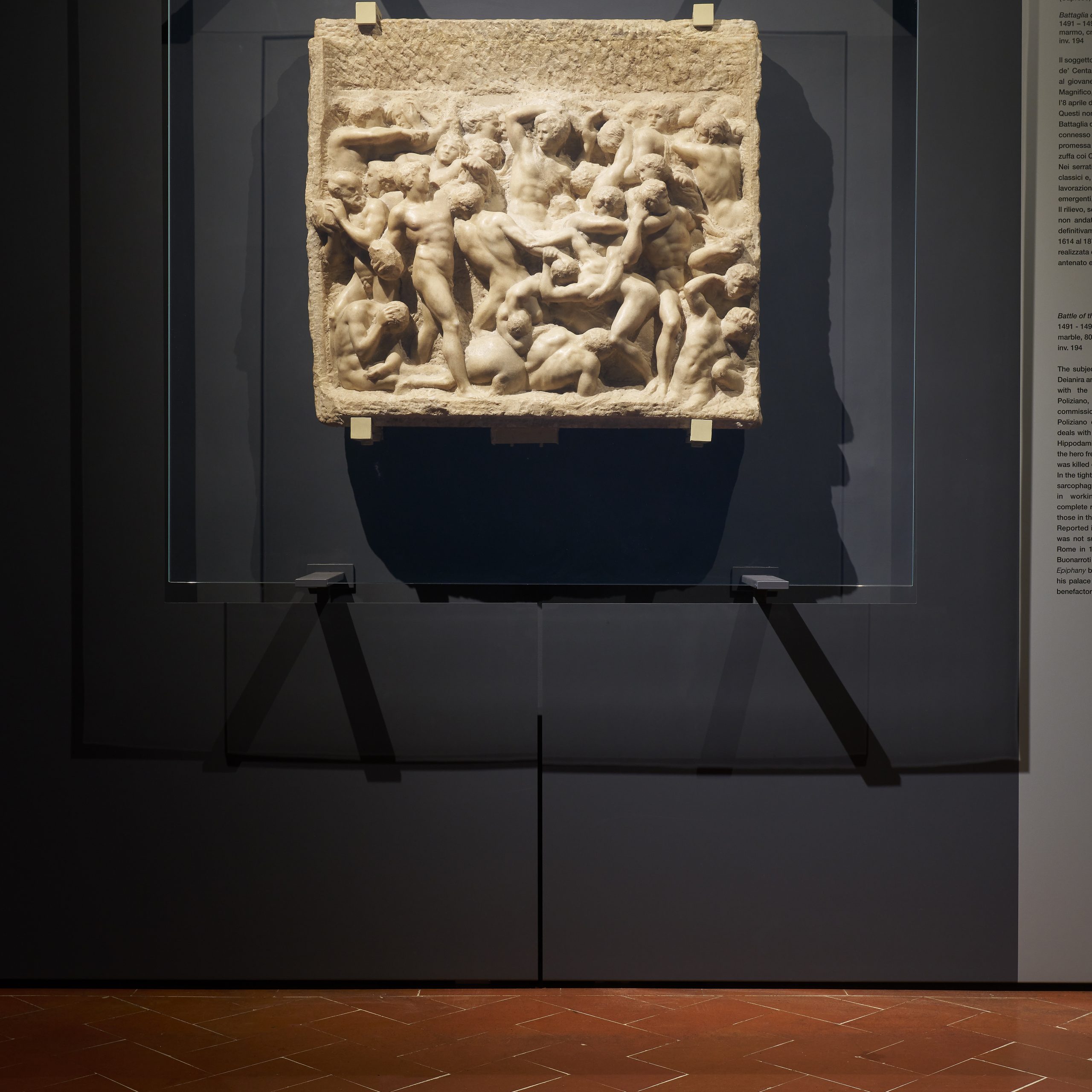
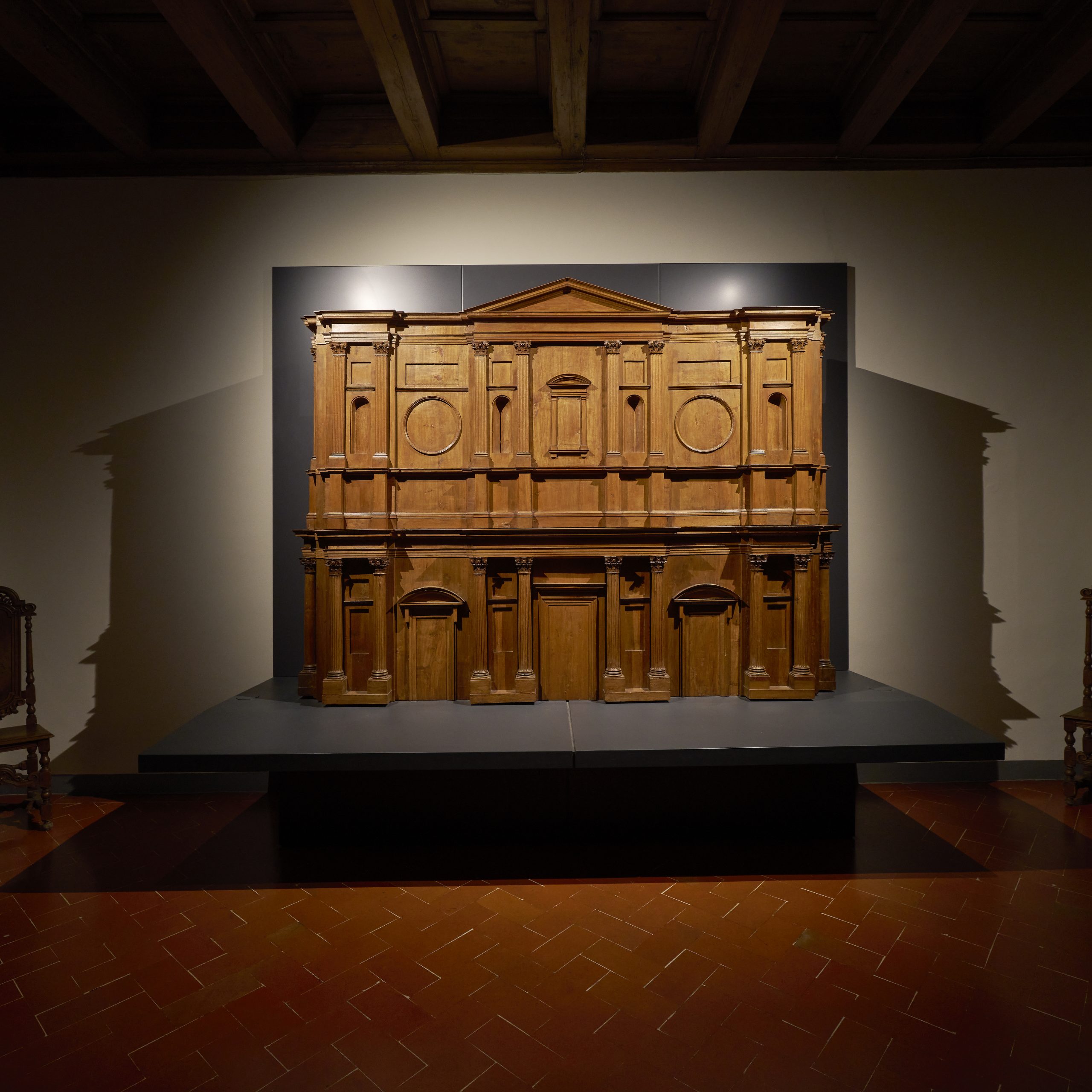
The project involved several rooms, including the Sala di San Lorenzo, the bas-reliefs room, the Gallery, the drawings room, and the Noli me tangere, and was carried out in phases. It also included the relamping of the entrance area and the lighting of spaces dedicated to temporary exhibitions.
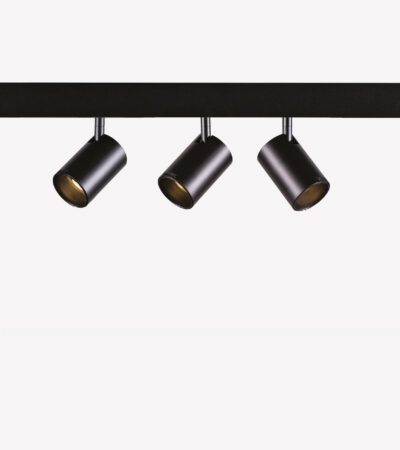
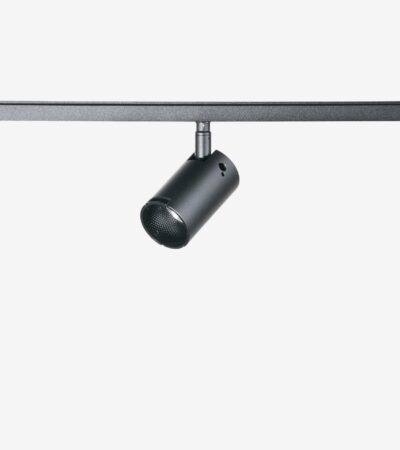
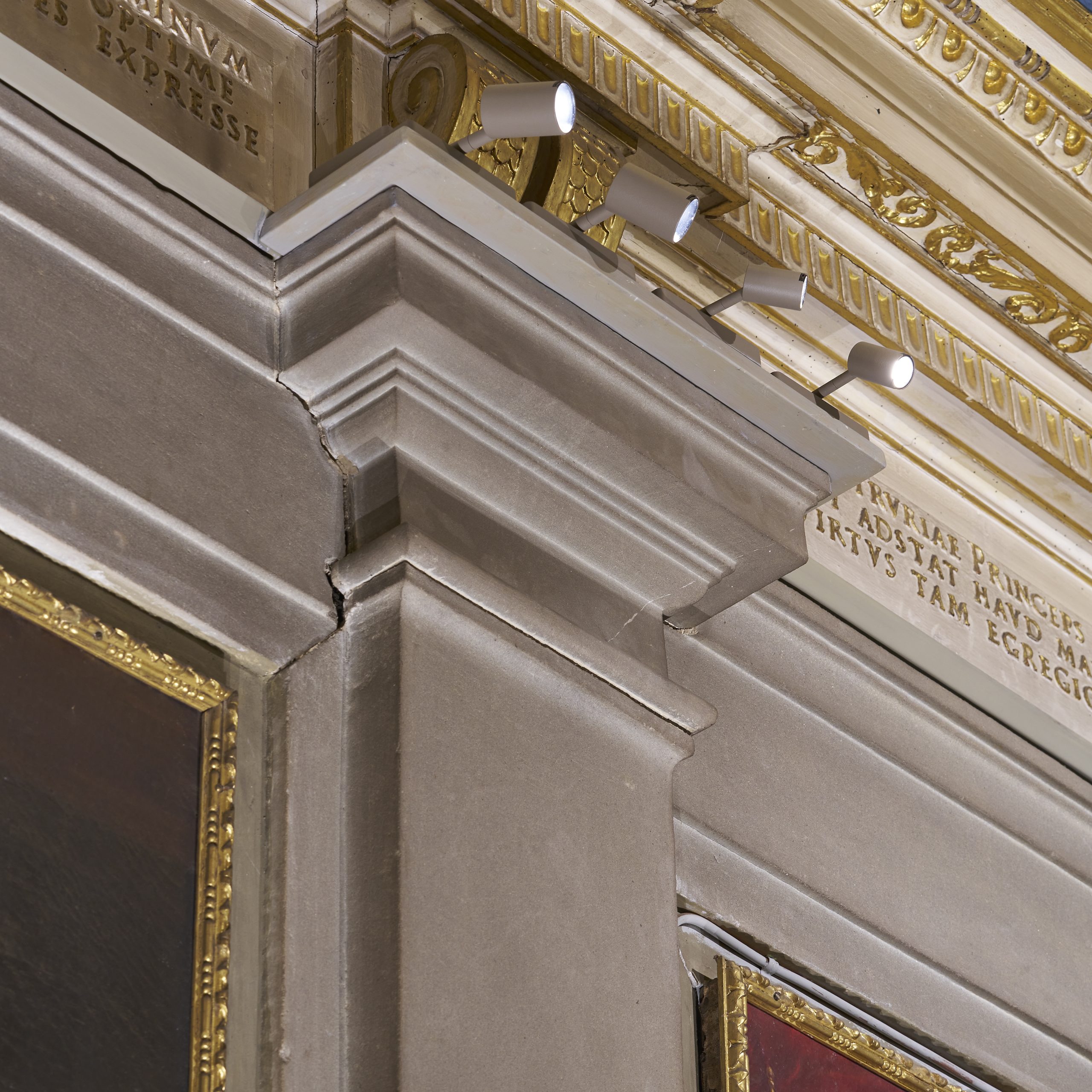
The adopted solution is based on low-voltage systems (48V) and miniaturized fixtures, selected to minimize visual impact and reduce glare through recessed optics. Lighting was managed באמצעות Casambi technology, enabling the creation of different scenarios that support guided tours and provide a dynamic interpretation of the artworks.
In the Noli me tangere room, the use of projectors with framing shutters allowed precise control of the light beam, highlighting individual works with targeted scenographic effects. In the drawings room, the greater spatial flexibility allowed for the use of suspended systems and controlled diffuse lighting solutions for the display case, specifically designed by the museum.
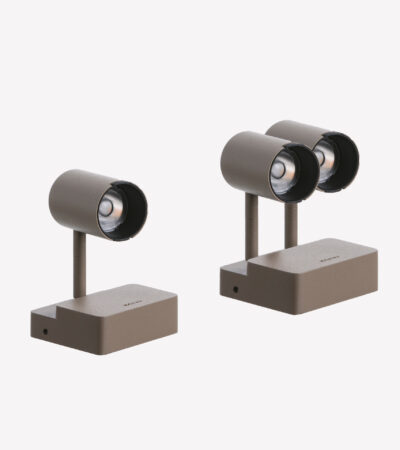
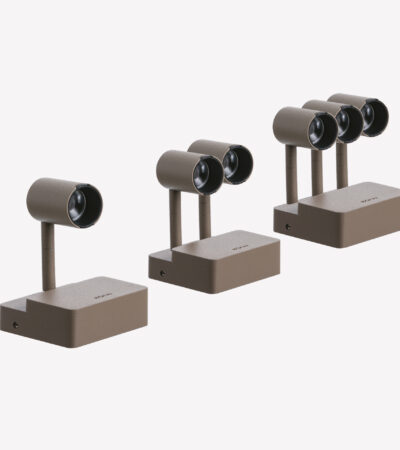
The most complex challenge was the Gallery, a richly decorated and relatively compact space where the impossibility of intervening on walls and ceilings required a bespoke solution. The fixtures were integrated into a custom-designed housing system running along the sides of the walkway, conceived to allow proper aiming, protect the luminaires from accidental impact, and minimize glare for visitors through the careful study of the cover’s inclination.
The result is a balance between aesthetic enhancement and conservation: the light accompanies the visitor, defines visual hierarchies, and fully reveals the value of the artworks, without ever interfering with the architecture.